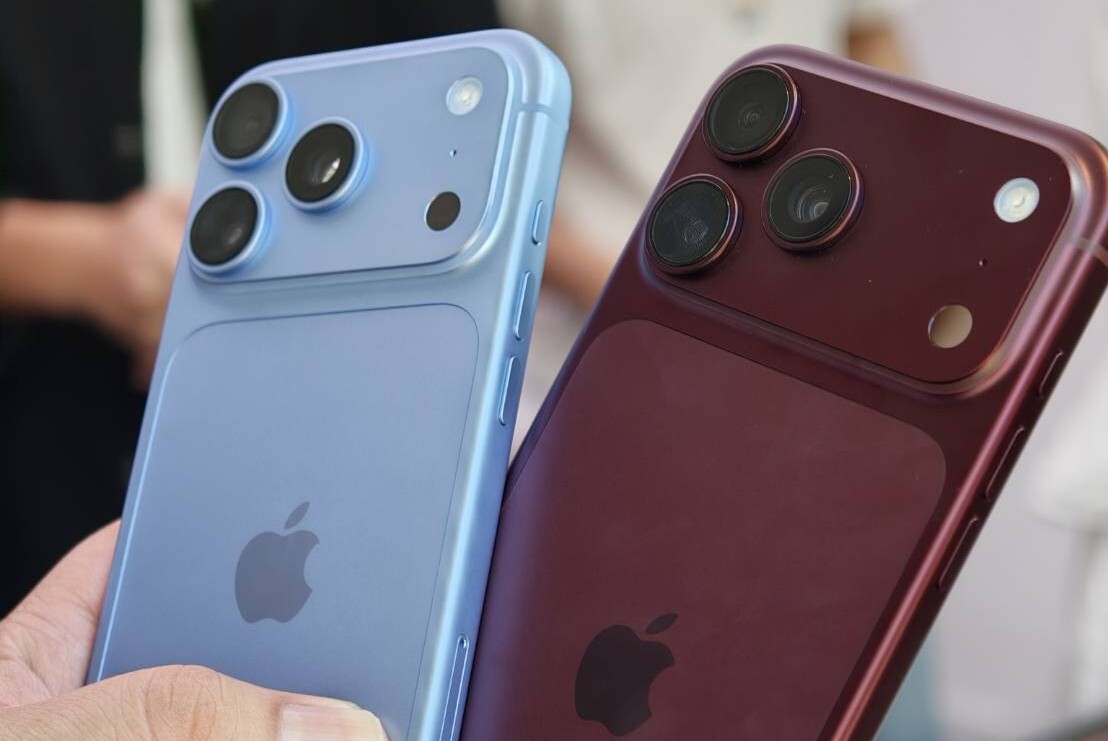
Just days after the global rollout of the iPhone 18 Pro and iPhone 18 Pro Max, early adopters are reporting recurring freezes, system shutdowns, and unexpected automatic reboots. Diagnostic records inspected by affected owners reveal entries labeled “panic-full”—a diagnostic log indicating a kernel panic where the operating system encounters a critical fault and is forced to restart.
User reports indicate that the instability does not typically occur during regular lock-screen unlocking. Instead, the freeze-and-reboot sequence triggers during biometric authentication inside applications. Reported scenarios include using Face ID in the Passwords app, opening Private Browsing tabs in Safari, accessing password-protected apps, and completing transactions in Apple Wallet.
In multiple user test cases, a reproducible trigger emerged: when an initial facial scan fails—such as when the user’s face is partially obscured—and the user taps “Try Face ID Again,” the interface locks up, followed by a total shutdown and automatic restart seconds later. Several owners reported encountering this crash cycle between three to five times in a single day.
The disruption has prompted a number of affected owners to seek unit exchanges or refunds directly through Apple. In regions such as South Korea, consumers noted that carrier-sold mobile protection plans typically exclude glitches of this nature, as carrier insurance policies are strictly framed around physical impact damage, loss, or theft, rather than launch-window system crashes.
iOS 27 Software Glitch vs. Redesigned TrueDepth Architecture
The underlying origin of the issue remains under scrutiny. The iPhone 18 Pro series features a redesigned TrueDepth camera layout, moving infrared components toward the top-left area beneath the display to accommodate a more compact Dynamic Island. Biometric visual data is processed through the hardware-isolated Secure Exclave / Secure Enclave. Additionally, certain screen protectors—particularly matte finishes—have been cited for potentially diffusing infrared light and interrupting scans.
Industry precedent suggests the fault may lie in low-level software rather than defective hardware modules. Following the launch of the iPhone 16 lineup in 2024, similar spontaneous reboot complaints surfaced and were subsequently resolved through an iOS software update. A comparable bug in iOS 27 could be the primary culprit behind the kernel-level crashes.
Guidance for Affected Owners
Owners experiencing unexpected reboots can verify whether their device experienced a kernel panic by checking: Settings > Privacy & Security > Analytics & Improvements > Analytics Data
Looking for timestamped “panic-full” logs corresponding to crash events provides verifiable data when booking a diagnostic appointment with Apple Support or an authorized technician.
As of now, Apple has not released an official statement or announced a specialized service program addressing the reported crashes.
–AEROTHAI Unveils Digital Tower Roadmap for Suvarnabhumi and Don Mueang Airports