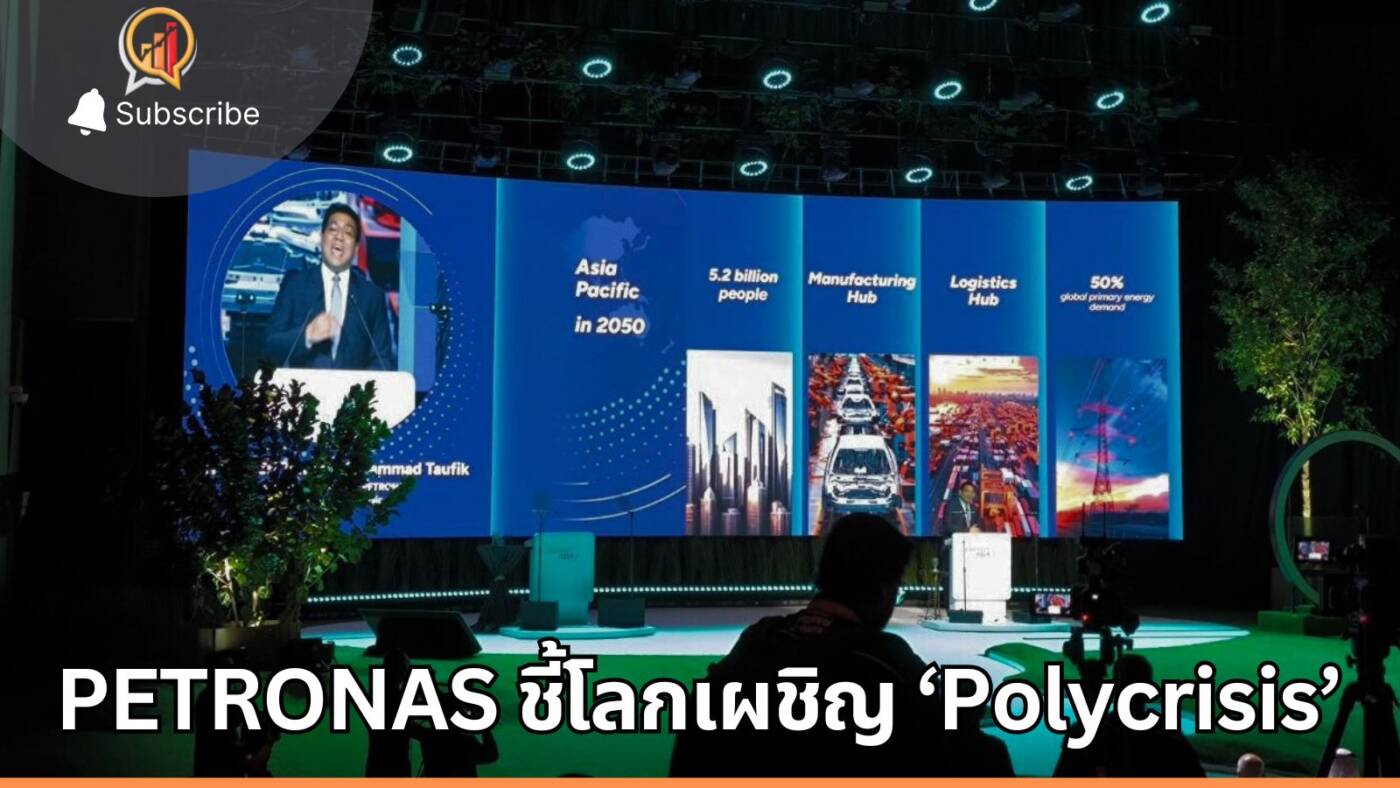
Amid global geopolitical volatility, technological disruption, and mounting climate pressure, the world is facing a “Polycrisis” a series of interconnected energy challenges. The only viable path forward is an energy transition centered on Asia, as the world’s Net Zero ambitions cannot be realized without the continent’s successful participation.
Tan Sri Tengku Muhammad Taufik, President and Group CEO of PETRONAS, delivered this message in his opening address at the second edition of the Energy Asia conference in Kuala Lumpur, Malaysia, painting a picture of a global energy landscape far more complex and challenging than ever before.
He explained that the world is grappling with a multi-layered “Polycrisis” stemming from protracted and expanding geopolitical conflicts that impact the stability of global energy supply chains. This is compounded by the Fifth Industrial Revolution, driven by Artificial Intelligence (AI), which is creating a massive demand for electricity—with power consumption from data centers globally projected to more than double by 2030. Simultaneously, increasingly stringent Environmental, Social, and Governance (ESG) policies are challenging the Net Zero goals the world has been striving for since the Paris Agreement.
Tan Sri Tengku Muhammad Taufik emphasized that “the Asia Pacific is the largest region on the planet, home to 60% of the global population and three of the world’s five largest economies.” The region serves as the world’s manufacturing hub and has a voracious appetite for energy. However, a significant challenge remains: energy inequality.
“Over 350 million people in the Asia Pacific still have limited access to electricity, and another 150 million have no access at all,” he stated, adding that fossil fuels still account for over 80% of the region’s energy mix. Therefore, the energy transition must critically consider the dimensions of “security” and “affordability.”
In his address, the PETRONAS CEO proposed three core strategies to navigate this crisis:
- Diversify the Energy Mix: A balanced energy portfolio is essential, integrating lower-emission options, Liquefied Natural Gas (LNG), and renewables like solar and wind, alongside carbon capture technologies to build a resilient energy system.
- Scale-up Energy Investments: Asia requires up to $90 trillion in energy investments by 2050 to meet its growth and Net Zero targets. This demands collaboration among governments, financial institutions, and industry to unlock capital for new energy projects.
- Strengthen Regional Collaboration: Global crises require collective solutions. Nations must work together to forge a common energy future for all.
Tan Sri Tengku Muhammad Taufik concluded with a powerful statement: “We believe this is the age of Asia… There is no net zero without Asia achieving it.” This declaration underscores the indispensable role of the Asian continent on the world’s energy stage, making it clear that the global sustainable energy transition is staked on Asia’s progress.