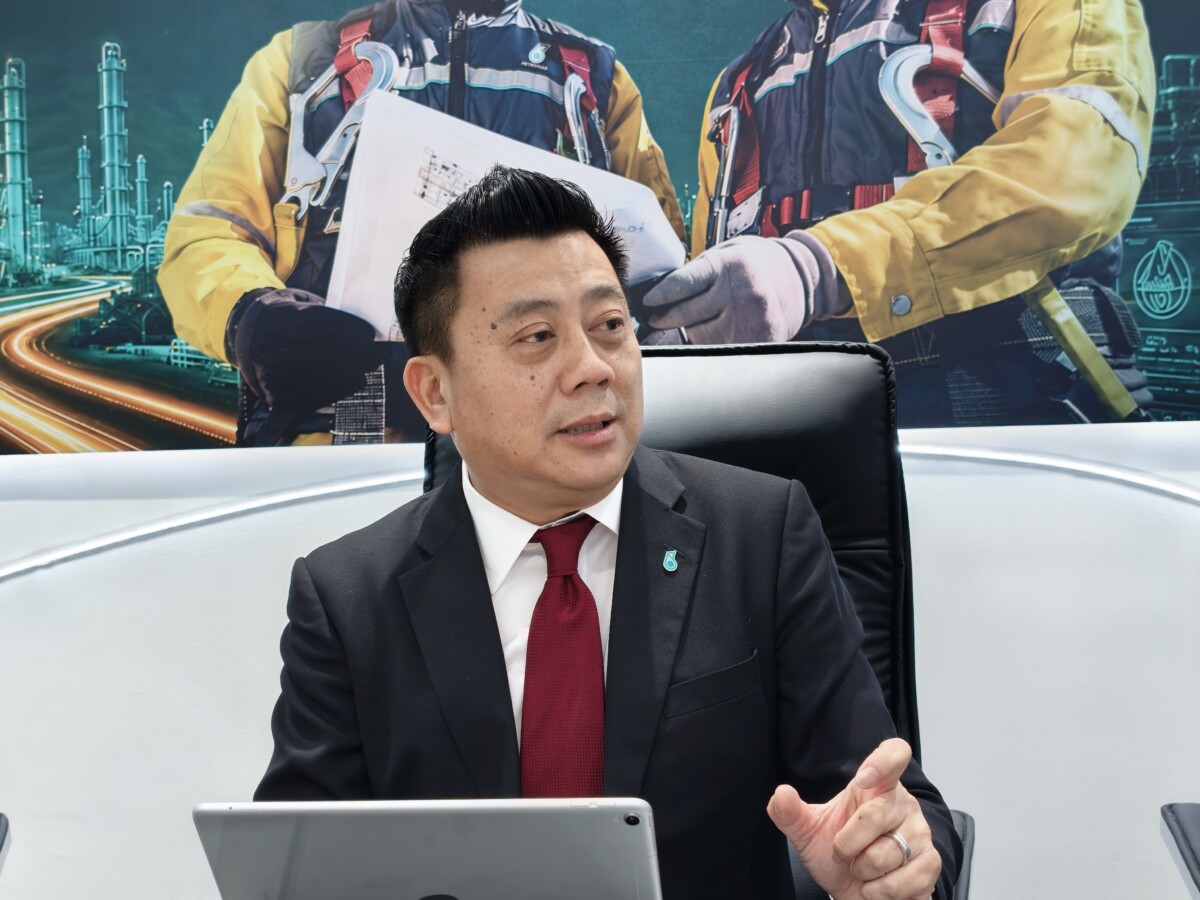
At the Gastech 2026 global energy conference in Bangkok, PETRONAS LNG Ltd. (PLL) outlined its strategic initiatives to bolster energy resilience and address surging liquefied natural gas (LNG) demand across Southeast Asia. The company is leveraging its integrated global supply portfolio, proximate regional presence, and flexible customer-centric solutions to balance regional energy security with long-term decarbonization goals.
Rosdi Ab Rahman, Chief Executive Officer of PETRONAS LNG Ltd., highlighted that Southeast Asia’s LNG demand is projected to rise from approximately 49 MTPA in 2028 to around 80 MTPA by 2035, representing a compound annual growth rate (CAGR) of 10%. Industry forecasts indicate that Southeast Asia will transition into a net LNG importer after 2032. This demand trajectory is driven by rising electricity consumption from ongoing industrialization and digitalization, coupled with declining domestic natural gas production across several member states. As a result, the region faces the critical energy trilemma of safeguarding supply security, ensuring affordability, and pursuing net-zero carbon ambitions.
Addressing current geopolitical volatility in the Middle East—where shipping disruptions in the Strait of Hormuz have affected an estimated 20% of global LNG trade, 90% of which flows to Asia—Rosdi stressed that supply concentration poses a major systemic risk. Both producers and consumers must actively cultivate diversified and resilient portfolios to withstand supply shocks.
Backed by more than 40 years of operational experience since its inaugural cargo delivery to Japan in 1983, PETRONAS manages global natural gas resources of approximately 130 TCF. The company has delivered over 15,000 LNG cargoes globally and currently serves 34 active buyers under 87 commercial contracts. Its supply operations reach 55 receiving terminals worldwide—representing 35% of the 158 terminals globally—with more than 200 cargoes safely delivered into Southeast Asia since 2017.
Proximity Advantage and Customized Commercial Frameworks
PETRONAS positions its Southeast Asian offering around four foundational pillars: proximity, familiarity, flexibility, and a proven track record.
The company’s primary production hub, the PETRONAS LNG Complex in Bintulu, Sarawak, features nine production trains and offers a short maritime voyage of only two to three days to Southeast Asian destinations such as Thailand. This geographic proximity provides significant supply assurance and agility during demand spikes or emergency situations. PETRONAS maintains an established, long-term supply relationship with Thailand’s PTT, while monitoring capacity and infrastructure developments at Map Ta Phut. In the Philippines, where coal plant outages and declining Malampaya gas output constrain power supplies, PETRONAS is actively engaging local operators under non-disclosure agreements to explore tailored supply solutions.
To help buyers navigate market volatility, PETRONAS provides customized commercial structures beyond conventional JKM indexation, incorporating alternatives such as Brent-linked pricing, hybrid terms, and customized contract durations. The company operates a modern shipping fleet featuring standard 174,000 cubic meter vessels, while also offering flexible delivery methods such as ISO tanks and small-scale LNG carriers to serve remote archipelagos across Indonesia and the Philippines. In addition, PETRONAS has supported 14 commissioning cargoes for new terminal start-ups and hosts an annual technical LNG training program in Kuala Lumpur for long-term buyers.
Global Portfolio Expansion and Decarbonization Roadmap
To enhance agility and mitigate regional dependency, PETRONAS has expanded its global LNG portfolio beyond 45 MTPA. The company is developing a second supply heartland in Kitimat, Canada, holding equity of approximately 2.9 to 3 MTPA in LNG Canada alongside off-take arrangements with Cedar LNG for 1 MTPA. Both Canadian facilities are situated to serve the Asia-Pacific basin within a 15-to-17-day voyage. In the United States, PETRONAS has secured 4.1 MTPA of third-party off-take capacity from Gulf of Mexico facilities, including Sabine Pass, Plaquemines CP2, and Commonwealth LNG, supplemented by portfolio arrangements in Australia, Qatar, the UAE (ADNOC Ruwais), and Egypt.
In Malaysia, PETRONAS is modernizing its onshore Bintulu facilities and accelerating upstream gas exploration. The company continues to pioneer floating LNG infrastructure, augmenting PFLNG SATU (1.2 MTPA) and PFLNG DUA (1.5 MTPA) with a third floating facility, PFLNG TIGA, scheduled for delivery in the second half of 2027.
On decarbonization, PETRONAS is implementing operational measures across its value chain, including electrification via hydroelectric power at the Bintulu complex, 100% gas-burning propulsion for loading vessels, zero routine flaring and venting, and digital efficiency optimization.
In collaboration with its clean energy arm, Gentari, PETRONAS is advancing low-carbon solutions such as ammonia and hydrogen co-combustion for power generation, dual-fuel ammonia carrier vessels, and carbon capture and storage (CCS) initiatives targeting an initial storage capacity of 5 MTPA by 2031. Through continuous multilateral dialogue, PETRONAS aims to serve as a reliable partner in navigating Southeast Asia’s practical and phased energy transition.