In an era where Artificial Intelligence (AI) is heralded as the engine of the Fifth Industrial Revolution and a force for progress in every sector, we see its unlimited potential. Yet, on the other side of the coin, this future-defining technology has a voracious appetite for energy on a scale never seen before. It presents a formidable new challenge, layered on top of an already complex Energy Transition. The critical question is no longer just how we transition, but how we can achieve a “responsible transition” amidst a new wave of energy demand driven by AI.
AI: The Unexpected Energy Demand Catalyst
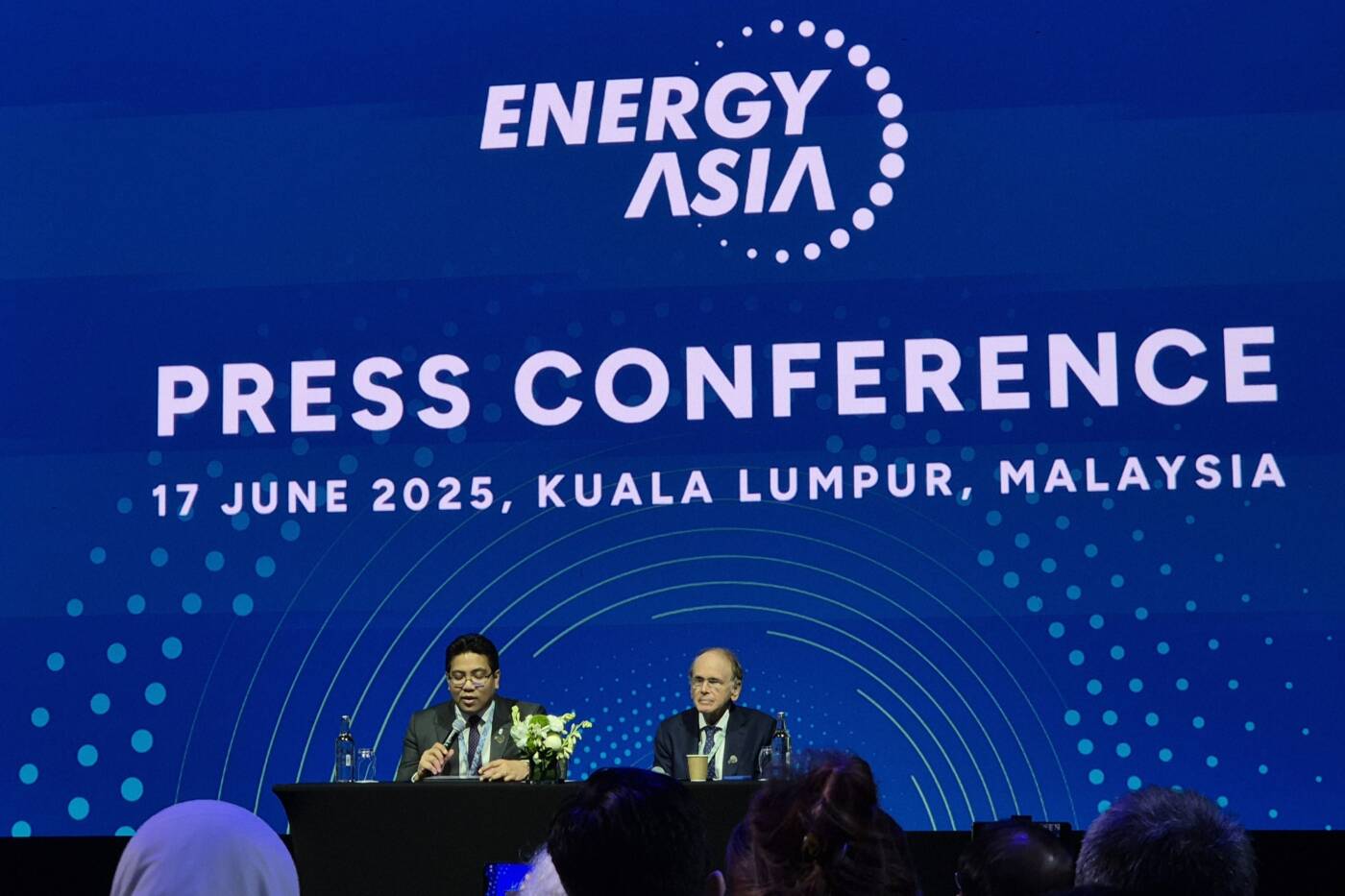
The recent “Energy Asia” forum brought this reality into sharp focus through the perspectives of industry leaders. Tan Sri Tengku Muhammad Taufik, President and Group CEO of PETRONAS, noted that AI is a key variable drastically changing the energy equation, citing a projected 6.5% surge in electricity demand in Malaysia.
This phenomenon is not isolated. Dr.Daniel Yergin, Vice Chairman of S&P Global, explained, “AI has created an enormous demand for electricity from data centers that wasn’t there before.” This demand triggers a chain reaction, subsequently driving up the need for natural gas to generate that electricity. It represents an unforeseen variable that is disrupting energy forecasts and placing immense pressure on power grids and generation sources worldwide.
The Asian Dilemma: Growth, Green, and Security
This challenge becomes exponentially more complex within the context of Asia, which has a completely different dynamic from the West. Dr. Yergin highlighted that while Europe’s electricity demand has remained flat over the past 20 years, in Asia, it has tripled. This is a region with over 4.8 billion people, where many nations are at a critical stage of economic development.
Tan Sri Tengku Muhammad Taufik underscored this dilemma, stating, “We cannot leave anyone behind.” The energy transition in Asia cannot be achieved by halting economic growth. Instead, it requires a delicate balancing act between three core objectives:
- Economic Growth: To improve the quality of life for its people.
- Decarbonization: To combat climate change.
- Energy Security: To ensure a sufficient and resilient energy supply.
Therefore, a “responsible transition” in the Asian context means advancing on all three fronts simultaneously, without prioritizing one at the expense of the others.
Navigating the Polycrisis
The AI challenge does not exist in a vacuum. It emerges amidst a global “Polycrisis“—a confluence of geopolitical conflicts, supply chain disruptions, and mounting environmental pressures. This makes finding solutions even more difficult.
The path forward proposed at the forum is not a single silver-bullet technology but a return to strong fundamentals: Collaboration, Investment, and Innovation.
- Advanced Collaboration: Not just between nations, but across sectors—involving energy producers, utility providers, financial institutions, and policymakers—to create integrated and actionable roadmaps.
- Policies that Attract Investment: Clear, stable, and predictable government policies are the key to unlocking the massive capital investment required to upgrade energy infrastructure.
- Innovation in the Producer’s Role: Energy producers like PETRONAS are evolving from being mere “sellers” to becoming “solution providers,” helping customers decarbonize through services like Carbon Capture and Storage (CCS).
Conclusion: Diversity as Security
The energy wave from AI is serving as a global reality check. It forces all stakeholders to re-evaluate old plans and accept that a “one-size-fits-all” approach to the energy transition is no longer viable, especially in Asia.
The timeless wisdom shared by Dr. Yergin, quoting Winston Churchill’s century-old observation that “safety and certainty in oil lie in variety and variety alone,” may be the most relevant answer today. Building a resilient energy system with a diverse mix of sources is the ultimate key to navigating future uncertainties, whether they come from AI or any other crisis yet to emerge. A responsible energy transition is not a final destination, but a continuous process of adaptation and balance in a world of constant change