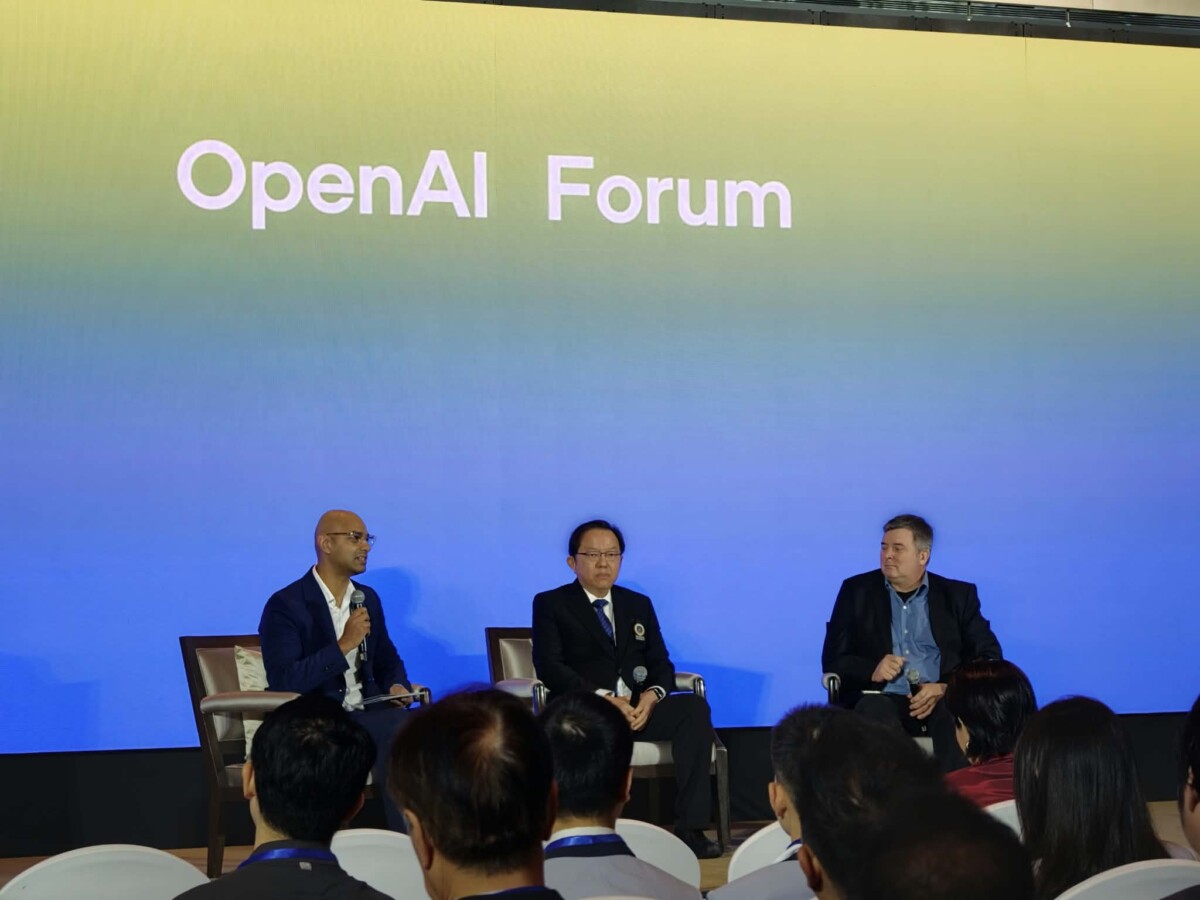
The rapid emergence of artificial intelligence is fundamentally transforming the medical landscape, and for Thailand, this technological leap presents a distinct opportunity to combine cutting-edge technology with its robust public health foundation to establish international leadership.
A successful global ascent begins with the foundation of medical education. Medical institutions are moving toward an “AI in the Loop for Better Humans” paradigm, designed to prevent students from outsourcing their cognitive responsibilities to technology. Excessive reliance on automated systems poses the risk of eroding essential human skills, including critical thinking, empathy, and innovative problem-solving, especially given that probabilistic AI models can generate and amplify systematic errors.
To address this, academic systems are overhauling pedagogical frameworks and evaluation criteria by shifting from traditional paper examinations to project-based portfolios and real-world clinical problem-solving. Specialized educational platforms are also emerging to engage learners through iterative questioning rather than static answers, ensuring that graduates possess the analytical depth needed to collaborate effectively with intelligent systems.
In medical research and scientific discovery, Thailand holds an exceptional data advantage. Academic medical networks handle extensive clinical volumes, recording over 8.4 million outpatient visits and 190,000 inpatient admissions annually, alongside comprehensive genomic repositories developed under the Genomic Thailand initiative. AI algorithms capitalize on this high-dimensional clinical data across multiple research domains, streamlining literature synthesis, systematically matching investigator capabilities with targeted research grants, driving advanced genomic sequencing, and accelerating chemical compound discovery in oncology.
This research foundation translates directly into tangible clinical outcomes. Concrete implementations demonstrate how localized health data can power clinical decision-support systems, exemplified by a chest radiography screening tool trained on more than 1,000 domestic patient images. The model achieved a 94% diagnostic accuracy rate in detecting tuberculosis, outperforming traditional benchmark workflows and expanding diagnostic capabilities in underserved primary care settings.
Beyond diagnostics, predictive algorithms analyze electrocardiogram telemetry to identify acute patient deterioration within hours, optimize emergency department workflows to eliminate operational bottlenecks, and forecast pharmaceutical inventory requirements. In outpatient pharmacy supply chains, automated models have achieved 95% forecast accuracy for high-demand medications, successfully reducing standing inventory by up to 20%.
To project this domestic success onto the international stage, the healthcare ecosystem is leveraging AI to transition from episodic treatment of disease to proactive prevention and continuous health management. Integrating electronic medical records with personal health telemetry enables tailored individual health guidance before acute conditions develop. Furthermore, tech-literate medical graduates are strategically positioned to bridge digital literacy gaps with frontline healthcare teams, including Thailand’s extensive network of over one million community health volunteers who anchor the nation’s long-standing Universal Coverage Scheme.
Securing global standing demands rigid adherence to regulatory safety, data ethics, and transparency. Aligning digital medical tools with stringent data protection standards such as the Personal Data Protection Act, upcoming AI regulatory legislation, and specialized digital health frameworks ensures clinical reliability and patient safety. Combined with standardized health technology assessments that validate efficacy, Thailand is establishing an operational blueprint for responsible, scalable AI adoption, positioning its healthcare model to share vital insights, foster technological exchange, and support public health systems across the globe.