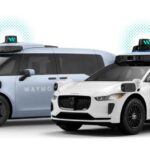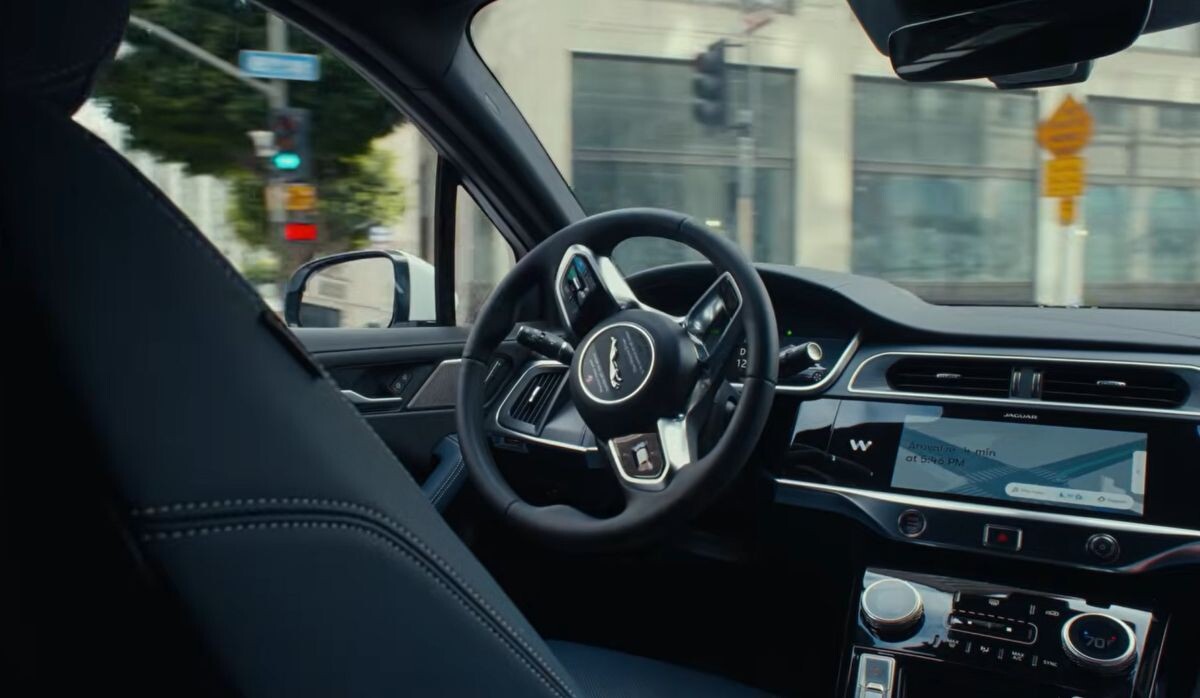
The Nevada Transportation Authority has unanimously granted permits to Tesla, Uber, and Waymo to operate commercial robotaxi services across Clark County, encompassing the Las Vegas metropolitan area. This regulatory milestone permits the deployment of up to 8,000 autonomous vehicles in the region over the coming year.
Under the approved framework, Tesla secured the largest allocation with authorization to deploy up to 5,000 robotaxis. Waymo received approval to operate up to 1,000 autonomous vehicles. Meanwhile, Uber was granted an allocation of 1,000 robotaxis, which will be rolled out through strategic partnerships with Zoox and Hyundai subsidiary Motional. Zoox previously held an autonomous vehicle network company permit allowing 100 robotaxis in the jurisdiction.
Addressing the operational timeline during the regulatory meeting, Eric Early, Chief Engineer for Tesla’s Cybercab, stated that the 5,000-vehicle figure serves as a ceiling rather than an immediate rollout target, noting that the company would not be in a position to deploy that entire volume by this time next year.
The rapid scale of the approval has raised market saturation concerns among local taxi operators and the Livery Operators Association. The aggressive deployment is poised to transform Clark County into a fiercely contested autonomous ride-hailing battleground, triggering broader workforce implications ranging from emerging fleet maintenance roles to the displacement of traditional taxi and gig economy drivers.
Strategically, Uber is advocating for a hybrid network model that mandates autonomous vehicles to operate alongside human drivers within the same platform. This positioning contrasts with Waymo’s standalone autonomous deployment model and provides Uber with a strategic safeguard amidst intensifying competition against Tesla and Waymo.
–DHL Express Launches Direct Shanghai–Bangkok Flight to Power Indochina Trade and Global Connectivity