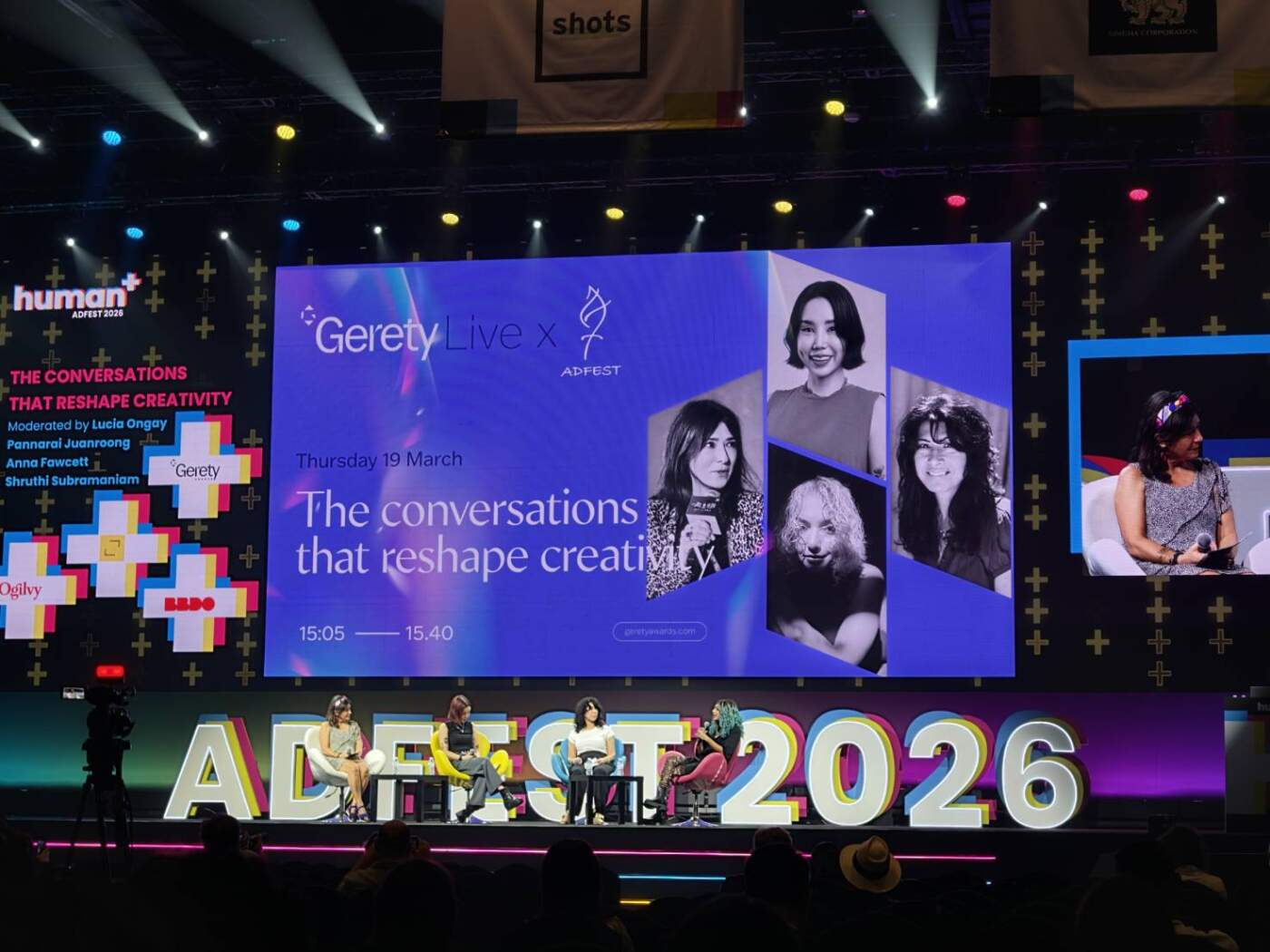
In an era where AI has become a cornerstone of the advertising industry, this year’s Adfest ignited a critical conversation under the theme “Human Plus.” A panel of global experts gathered to debate the boundary between technology and the heart of creativity. The central message was clear: “Emotional Intelligence” and “Human Instinct” remain the irreplaceable elements that AI has yet to master.
The Human Instinct: What AI Cannot Replicate
The experts reached a consensus that despite technological leaps, AI lacks “Collective Intuition”—the shared gut feeling that occurs in a jury room. When a great idea “clicks,” humans feel it instantly through a spectrum of emotions: humor, sorrow, or profound empathy. These are the core elements that allow creative work to truly resonate with a human audience.
Furthermore, the physical reaction of “goosebumps” when witnessing a brilliant campaign is a uniquely human biological feedback loop. It confirms the power of an idea in a way that AI, through its conversational patterns, simply cannot feel or authentically generate.
The Trap of Being “Too Smart” and Forgetting the Consumer
A significant lesson from this year’s judging is that many campaigns strive to be overly clever or trendy, often forgetting who they are talking to. Some work feels as though it was written for a LinkedIn audience or industry peers rather than for “real people,” resulting in content that feels inauthentic and fails to connect.
Relying too heavily on data—such as forcing a logo to appear within the first three seconds—might ensure a brand is “seen,” but it doesn’t guarantee the brand is “loved.” Without deep consumer insight or a genuine understanding of human emotion, creative work risks becoming just another piece of content drowned in a sea of digital noise.
Think First, Prompt Later: The New Creative Mantra
The most heated discussion centered on the role of AI in the creative process. The panelists suggested that the industry should start asking “where NOT to use AI” rather than forcing it into every stage. Specifically, the “Ideation” phase should remain a 100% human domain.
- Human Intelligence (HI) Before AI: The birth of an idea should stem from human conversations, critical thinking, and shared experiences.
- AI as a Labor-Saving Tool: AI is highly effective for “grunt work” or managing massive amounts of data, freeing up creators to focus on the “core idea.”
- The Danger of Copy-Paste Creativity: Relying on AI from the start leads to repetitive patterns. Since AI functions by churning out existing data, work loses its uniqueness and begins to look the same across the industry.
Trust is the Foundation of World-Class Work
Beyond technology, the collaboration between agencies, clients, and production houses remains the deciding factor for success. Trust and transparent communication are vital. “Micromanagement” was cited as a primary killer of creativity, particularly during production where teams must trust the director’s vision to let the spontaneity of the work shine through.
Advice for the Next Generation
The final advice for young creatives is to become more “social” in the physical world. Spend time in the real world with real people, read physical books, and allow creativity the patience and discipline it requires. Do not rush for the AI shortcut. The work that truly changes the world has always been, and will continue to be, born from the hearts and minds of humans.
–Human+ Drives the Conversation: ADFEST 2026 Day 2 Explores the Frontier of Creativity and Technology